Pattern Recognition & Machine Learning Laboratory

Building trustworthy AI for healthcare through collaborative research and student mentoring

Lab Mission & Vision

Lab Mission

The mission of the Oladunni Lab is to create reliable and explainable AI systems that improve human health and decision making. We advance scientific understanding through innovative research, high-quality publications, and real-world impact. We also train students to become capable, ethical, and forward-thinking contributors to the computing field.

Lab Overview

The Oladunni Lab focuses on advanced research in artificial intelligence, machine learning, and computational modeling. We design methods that are interpretable, resilient, and grounded in real data, with a strong emphasis on biomedical signal analysis and trustworthy AI. Our work combines algorithm development, multimodal learning, and rigorous evaluation to solve meaningful problems in cardiovascular health and population-level risk detection.

Student Opportunities

Join Our Lab

The Oladunni Lab provides hands-on research experiences in machine learning, biomedical AI, and applied data science. Students work on real datasets, contribute to ongoing publications, and build practical skills that prepare them for graduate study and industry careers.
What We Look For

Curiosity & Initiative

Genuine interest in AI, healthcare, or signal processing

Technical Foundation

Solid programming skills in Python, experience with ML libraries

Discipline & Reliability

Commitment to rigorous research and meeting deadlines

Communication Skills

Ability to articulate ideas clearly in writing and presentations

What You'll Gain

Mentorship from experienced researchers

Hands-on experience with cutting-edge machine learning techniques

Opportunity to co-author peer-reviewed publications

Exposure to real medical datasets and research workflows

Professional development in academic writing and presentation

Interested? Contact Dr. Oladunni with your resume, CV, and a statement of research interests.

Research Areas for Students

ECG-Based Disease Detection

Build and evaluate multimodal neural networks for cardiovascular disease classification using ECG signals. Learn about 1D-CNNs, 2D-CNNs, and Transformer architectures.

Skills: PyTorch/TensorFlow, signal processing, deep learning

COVID-19 & Epidemiological Modeling

Develop machine learning models for disease severity prediction and population-level health surveillance. Work with real COVID-19 datasets and public health applications.

Skills: Time series forecasting, LSTM, epidemiologic modeling

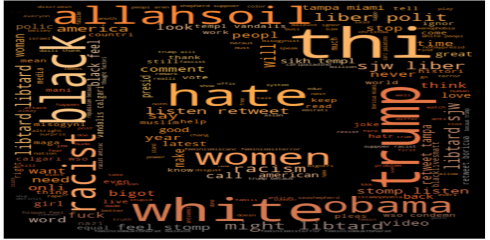
NLP & Health Sentiment Analysis

Apply deep learning NLP techniques to analyze public sentiment on vaccines, disease outbreaks, and health interventions from social media.

Skills: BERT, sentiment analysis, emotion detection, text mining

Epilepsy Seizure Prediction

Develop EEG-based machine learning models for seizure prediction and detection to support clinical monitoring.

Skills: Signal processing, EEG analysis, anomaly detection

Trustworthy AI & Explainability

Study interpretability methods for healthcare models, including saliency analysis, LIME, and custom visualization tools.

Skills: Model interpretability, visualization, clinical validation

Student Project Portfolio

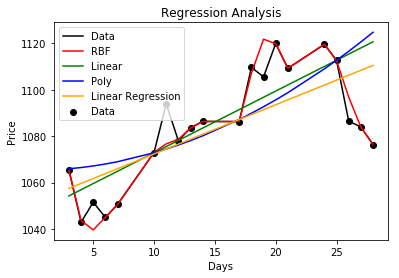
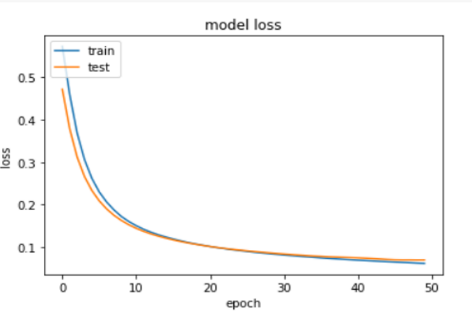
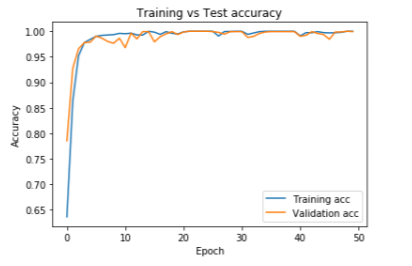
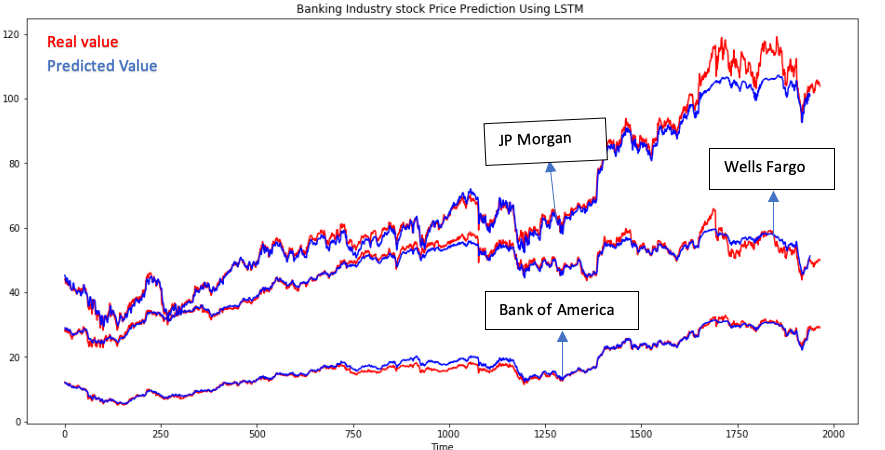
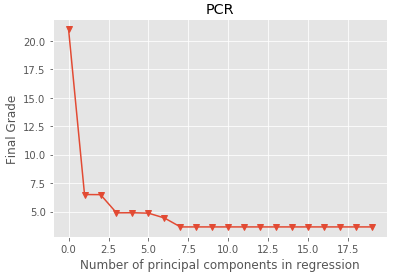
Recent student projects include fall-risk prediction, wind speed forecasting, housing price prediction, and source code generation using deep learning.

Skills: End-to-end ML projects, data engineering, evaluation metrics

Student Projects Highlights

Lab Values & Working Philosophy

Rigor & Excellence

We maintain high standards for research quality, experimental design, and publication ethics. We aim to produce work that advances the field and withstands scrutiny.

Collaboration

We work together across disciplines, institutions, and perspectives. We value diverse viewpoints and collaborative problem-solving.

Continuous Learning

We stay current with the latest techniques, engage in professional development, and mentor the next generation of researchers.

Real-World Impact

We focus on problems that matter for human health and wellbeing. We design solutions with practical applicability and social responsibility in mind.

Transparency & Interpretability

We believe AI systems should be understandable and trustworthy. We develop interpretable methods and communicate findings clearly to diverse audiences.

Ethical Practice

We conduct research ethically, respect data privacy, acknowledge limitations, and consider broader societal implications of our work.